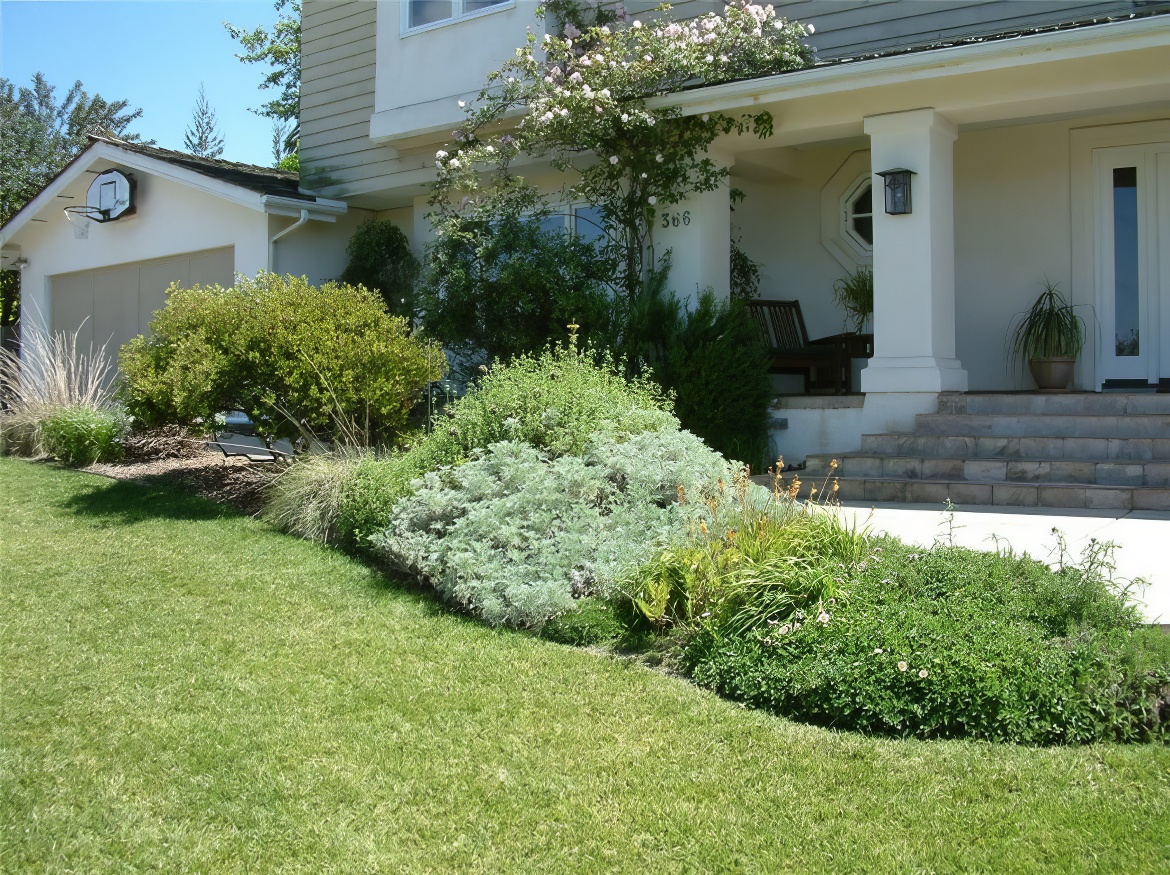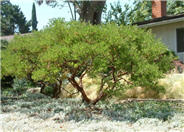
Common name:Howard McMinn Manzanita
Botanical name:Arctostaphylos densiflora 'Howard McMinn
This shrub is highly appreciated for its decorative characteristics, which include a dense show of small, pale pink, urn-shaped flowers. Above all, it is the mahogany-red to brown bark (which peels beautifully) that is the major attraction. Its fruit resembles the tike apple, and the flowers contrast perfectly to the light green leaf (which can get rather tough). It blooms from late winter to spring. - Cornflower Farms

Common name:Powis Castle Artemisia
Botanical name:Artemisia 'Powis Castle'
This mounding shrub reaches 3 ft. high and up to 5ft. wide with fine silver foliage. - Cornflower Farms
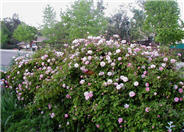
Common name:Cecile Brunner Rose
Botanical name:Rosa 'Cecile Brunner'
This climbing rose can grow as tall as 25 feet with support and in spring appear in mass the lightly fragrant pink flowers that look like tiny, high centered, hybrid tea roses and are attractive in bud and bloom. Plant in full sun and irrigate occasionally. Hardy to zones 4-9. For good reason, it has become one of the most popular roses in cultivation and though it reblooms less than the rarer shrub form, it puts on a strong display in spring. It is long-lived, disease resistant and tolerates everything from poor soil to partial shade.
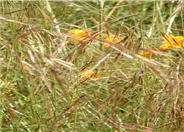
Common name:Needle Grass
Botanical name:Stipa pulchra
The Needle Grass is a cool season, bunchgrass that grows 1'-2' tall with graceful, shiny flower stalks that reach 30" long in the spring. This grass is fire retardant, tolerates drought, and is good in mass plantings and restoration uses. The Needle Grass is California's State Grass and is a beneficial insect plant. -Cornflower Farms

Common name:Yankee Point California Lilac
Botanical name:Ceanothus griseus hor. 'Yankee Point'
Yankee Point is a fast growing shrub that stays near 3' in height with a spread of 6'. It has large bright green leaves and light blue flowers. It is great for banks and mass plantings. It does well on the coast and in hot inland areas. It attracts hummingbirds, butterflies and beneficial insects.
- Cornflower Farms
Designer: Dave Buchanon
Photographer: GardenSoft
Physical weed control, including mulching, or hand removal protects the watershed from harmful chemicals.
Apply a layer of mulch around plants to reduce moisture loss.
Choose organic mulches, such as shredded bark, compost or aged sawdust.
Attract, or buy beneficial insects such as ladybugs and lacewings to control pest outbreaks in your garden.